Gold Making Charges (Banwai) Explained: How Jewellery Is Priced
When you buy a gold necklace or bridal set, the price you are quoted is never just the cost of the gold. Wrapped inside that final figure are making charges — what we call banwai — and sometimes the value of gemstones too. Many customers in Mansehra and across Hazara feel confused or even cheated when two shops quote very different prices for what looks like the same piece. Almost always, the difference is in the banwai, not the gold.
At Shakeel Gems & Jewellers (Shakeel Saraf), we believe an informed buyer is a confident buyer. So here is an honest, plain-English breakdown of exactly how gold jewellery (zewar) is priced in Pakistan — what each part means, why making charges vary, and how to compare quotes fairly so you never overpay.
The three parts of every gold price
A fair, transparent gold price is built from three clear parts. Once you understand them, no quote will ever feel like a mystery again.
1. Metal value — this is the actual gold in the piece, calculated as weight × purity × the day's gold rate. For example, a 22K item is about 91.6% pure gold, so its metal value is based on the 22K (sona) rate for that exact weight in grams or tolas. 2. Making charges (banwai) — the labour and craftsmanship cost of turning raw gold into a finished design. 3. Gemstone value — if the piece has diamonds, emeralds, rubies or other stones, their cost is added separately. A trustworthy jeweller (sunar) will show you all three lines, not bundle them into one vague number.
Metal value: weight × purity × rate
The gold itself is the largest part of the price, and it is the easiest to verify. The gold rate (sonay ka rate) is set by the international and local bullion market and moves every single day — so the same design can cost a little more or less from one week to the next. This is normal and has nothing to do with the jeweller.
What you can and should insist on is an accurate weight and a confirmed purity. At Shakeel Saraf, every piece is hallmarked for purity and weighed on a calibrated digital scale right in front of you. Your invoice states the metal, the karat (21K, 22K or 24K) and the exact weight, so you can check the metal value against the day's published rate yourself. If a shop will not weigh the piece in front of you, that is your first warning sign.
Making charges (banwai): the cost of craftsmanship
Banwai is the fee for the skill, time and tools that transform a plain bar of gold into a wearable design. It is quoted in one of two ways: either as a fixed amount per gram or tola, or as a percentage of the gold value. Neither method is dishonest on its own — what matters is that the jeweller tells you which one they are using and how much it adds.
Making charges are completely legitimate. A goldsmith may spend hours hand-carving a bridal necklace, soldering delicate links or setting tiny stones by hand. That labour has real value. The key is that banwai should be reasonable for the work involved and stated openly — never hidden inside an inflated gold rate.
Why banwai varies so much
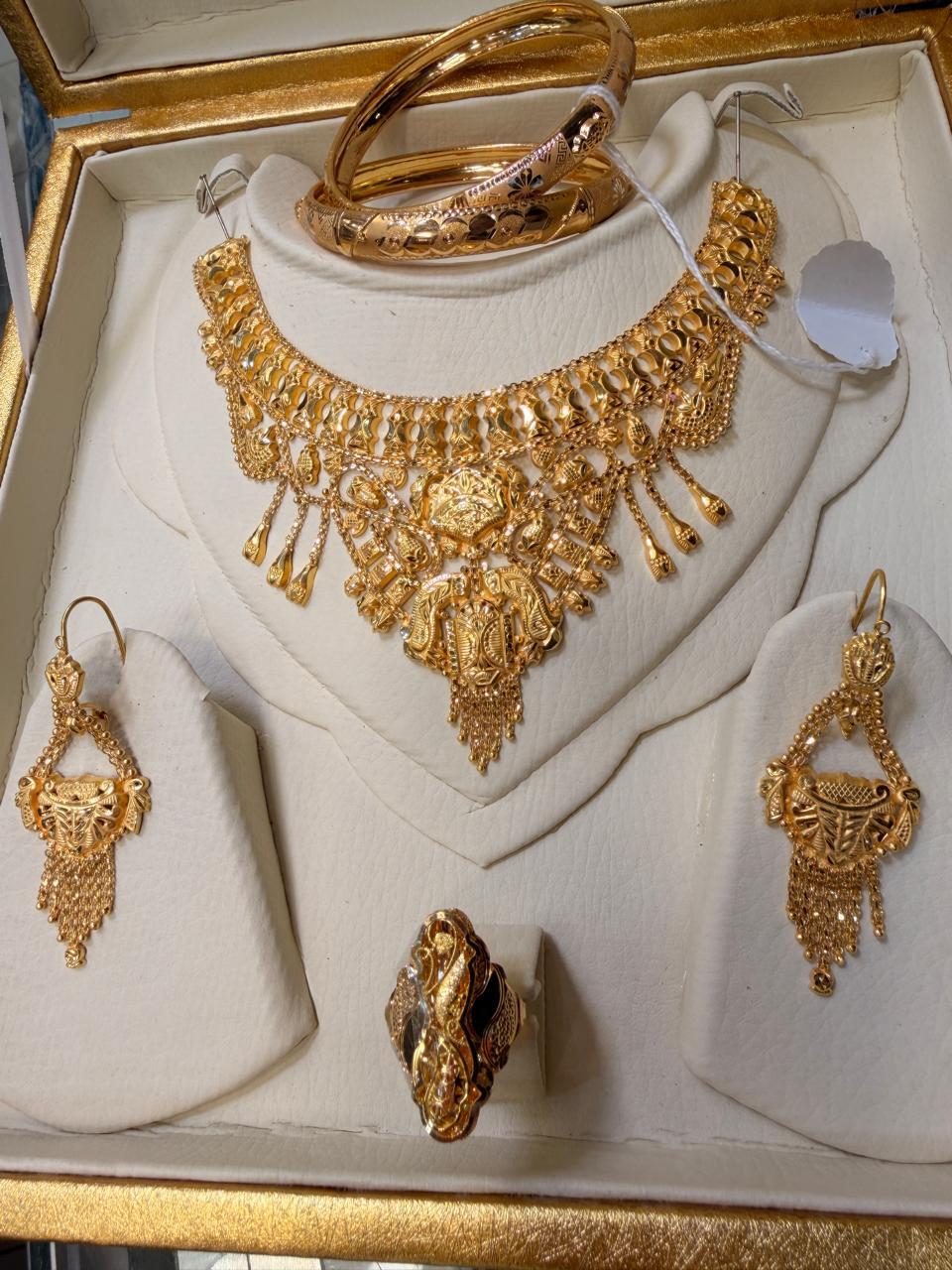
Two pieces of the same weight can carry very different making charges, and there are good reasons for it. Handmade jewellery — carved, soldered and finished by a master goldsmith — costs more in banwai than machine-made or cast pieces, because it takes far more skilled hours. Intricacy matters too: a fine filigree bridal set, a meenakari (enamel) design or a piece with detailed stone settings demands more labour than a plain chain or a simple bangle (kangan).
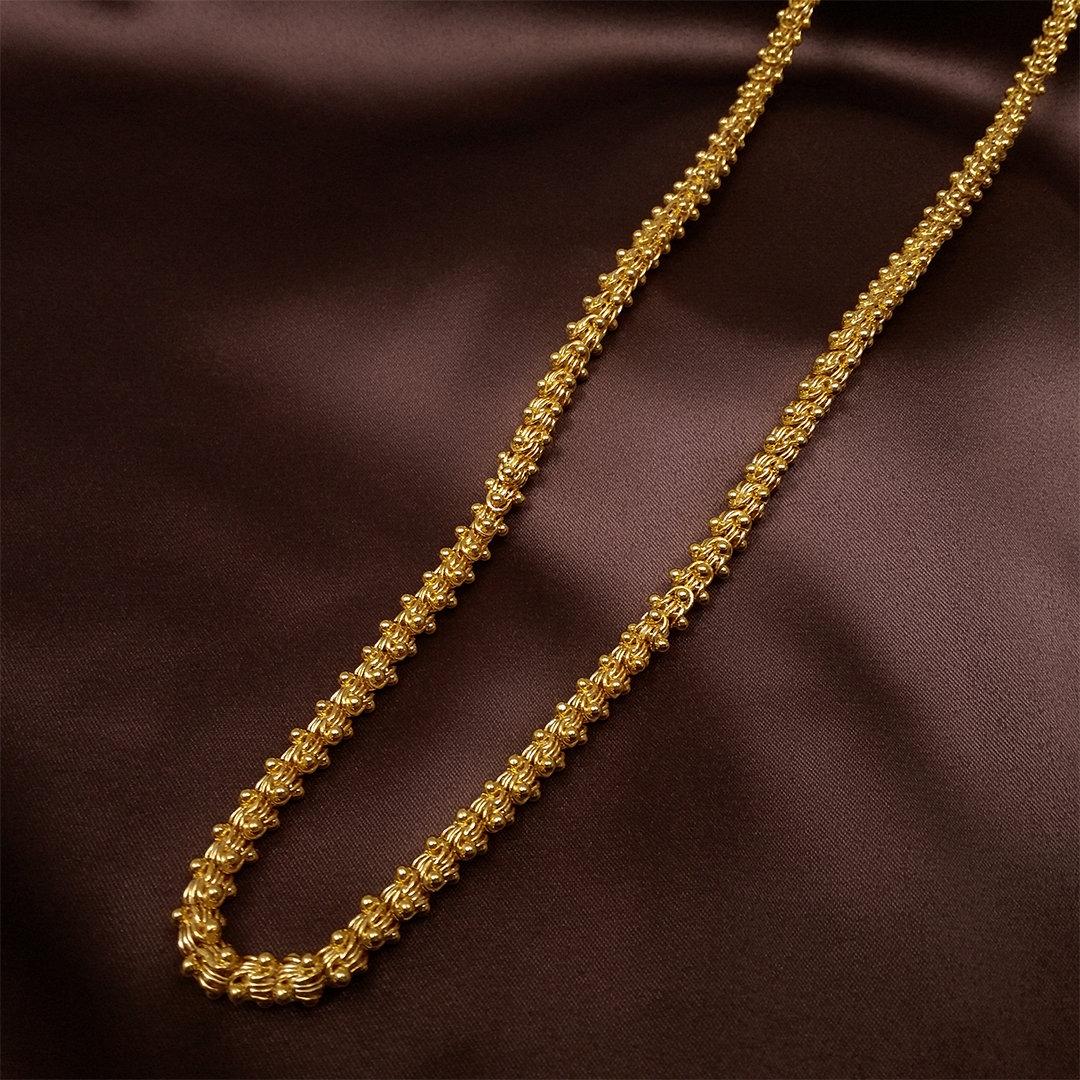
Finish and fin. style also play a part. Lightweight, hollow or rope-style designs often carry higher percentage making charges because they are fiddly to craft, while solid, simple pieces are usually lower. So when one quote seems higher, ask what kind of work it includes before assuming you are being overcharged — sometimes you genuinely are paying for better craftsmanship that will last.
What is wastage, and how does it differ from banwai?
Wastage (sometimes shown as a separate line) reflects the small amount of gold genuinely lost during crafting — gold dust and tiny offcuts that occur when a piece is filed, cut and polished. Traditionally this was charged as a small percentage on top of the weight. Some sellers, however, quietly inflate wastage to pad the bill, which is where confusion and mistrust creep in.
Our approach is simple: we keep things honest and transparent. We do not hide profit inside exaggerated wastage figures. Whatever you pay is clearly explained — gold weight, purity, rate and making charges — with nothing buried in fine print. If a quote elsewhere has a large, unexplained wastage charge, ask exactly what it covers.
How to compare two quotes fairly
To compare jewellers like for like, never compare just the final price — compare the parts. Ask each shop for the same three figures: (1) the gold rate they are using and the karat, (2) the exact weight in grams or tolas, and (3) the making charges, stated as either per-gram or a percentage. Only when you line these up side by side can you see who is genuinely cheaper and who is hiding margin in the rate or in wastage.
Beware the trap of a low headline making charge attached to a slightly higher gold rate — the total can still be more. The honest jeweller is the one happy to break the price down for you without hesitation. Gold rates change daily, so always confirm the current Mansehra rate on the day you buy.
Transparent pricing at Shakeel Saraf, Mansehra
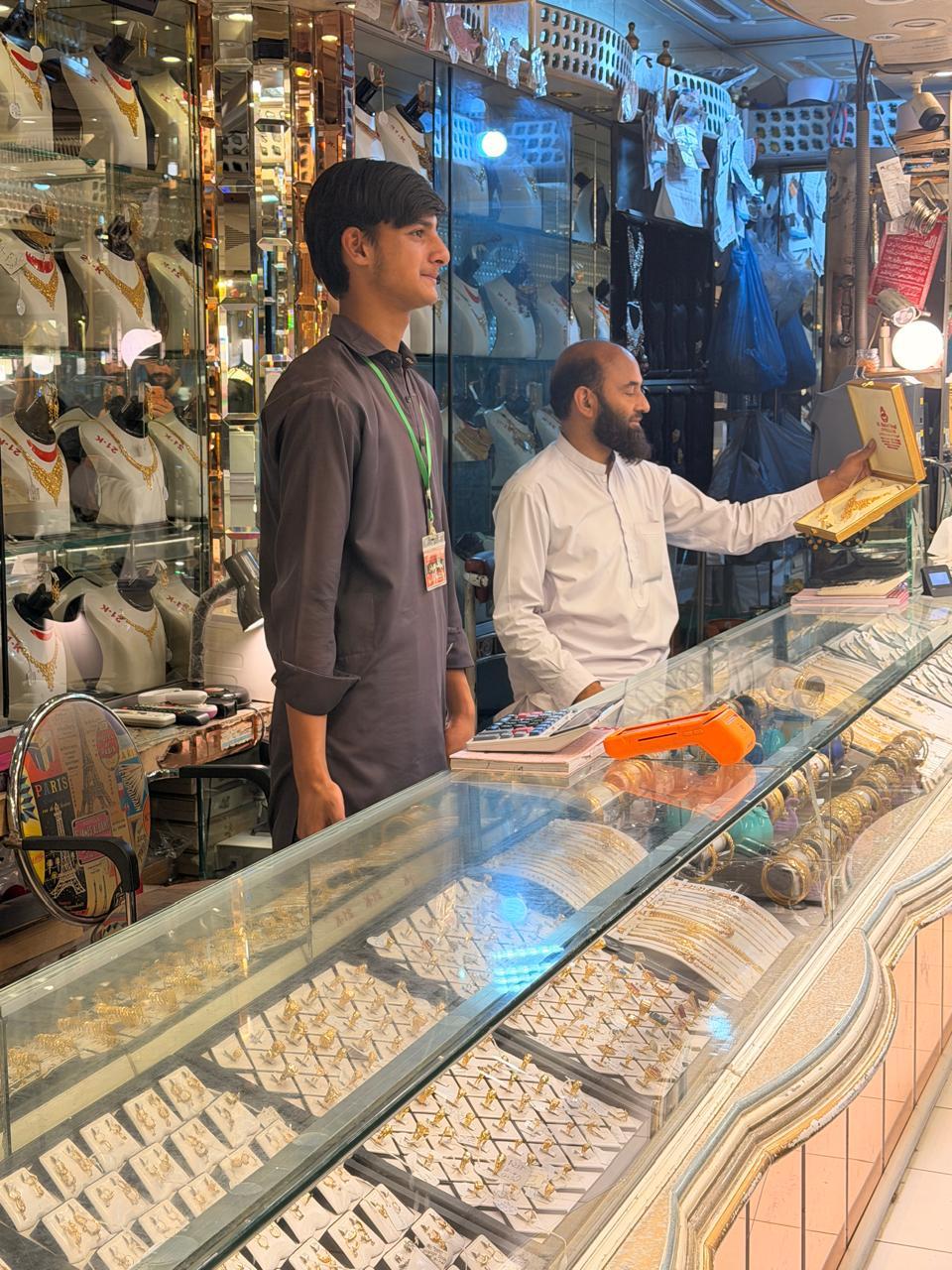
For nearly forty years, families across Mansehra, Abbottabad, Haripur, Battagram, Balakot and Shinkiari have trusted Shakeel Saraf precisely because we explain every rupee. Your bill clearly separates the metal value (weight × purity × the day's rate), the making charges (banwai) and any gemstone cost — no hidden wastage, no inflated rate, no surprises. Every piece is hallmarked and weighed in front of you, and is covered by our easy 7-day return plus lifetime gold exchange at the current rate.
Planning a wedding (shaadi) purchase or a custom design and want to understand the banwai before you commit? Visit our showroom at Saraf Bazar, Mohallah Khan Bahadar in the main bazaar of Mansehra, or message us on WhatsApp for today's gold rate and a clear, honest price breakdown.